2D vs 3D animation comes down to story, audience, and budget. 2D wins on speed, flexibility, and explainer clarity. 3D wins on physical structure, photoreal output, and product detail. This post breaks down the differences and gives a clear framework for choosing. For sector-specific reading, see our 2D explainer guide and our medical and industrial 3D work.
Understanding the Basics: 2D vs 3D Animation
2D animation operates in a flat plane, using vectors, hand-drawn frames, or digital illustrations. It thrives on stylized aesthetics, expressive characters, and quick production cycles.

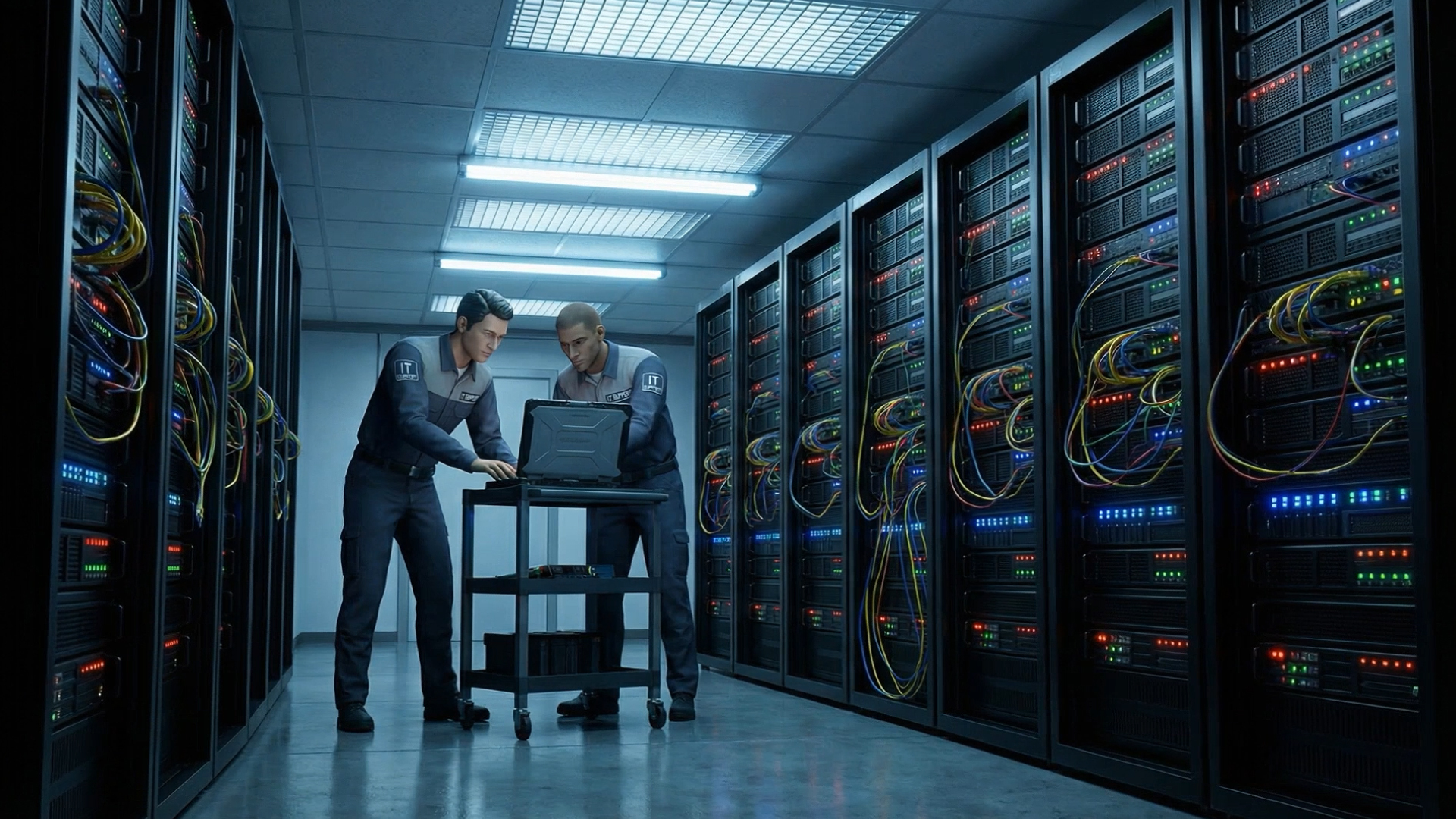
3D animation, by contrast, constructs objects in three-dimensional space, allowing for realistic depth, lighting, and physics simulations. This medium excels when you need lifelike representations, product demos, or immersive environments.
Key Features & Benefits
- Speed and Flexibility: 2D can be produced faster, making it ideal for tight deadlines.
- Realism and Detail: 3D offers photorealistic textures and dynamic lighting, enhancing credibility.
- Cost Efficiency: Lower production costs for simple projects with 2D; higher budgets needed for complex 3D scenes.
When Speed Matters: Marketing Campaigns & Social Media
Social platforms reward bite-size, high-impact visuals. 2D animation can be delivered in days and scaled across formats without significant rework. Think of explainer videos that distill a service into 60 seconds or animated GIFs that loop endlessly.



View case studies from our work at our Projects page.
When Realism Drives Credibility: Product Demos & Technical Training
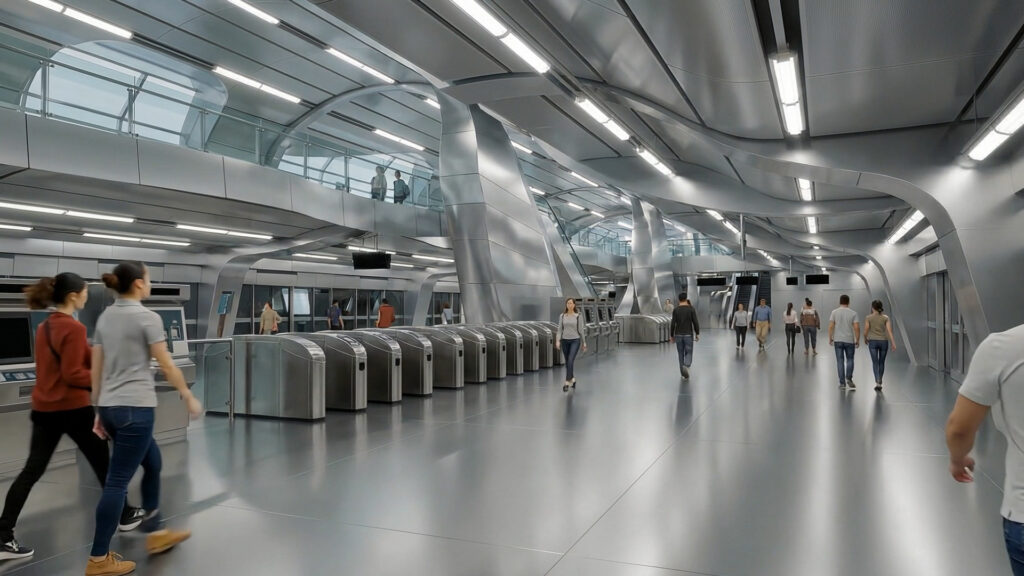
If you’re showcasing a gadget, vehicle, or architectural model, the immersive depth of 3D animation can bring the product to life. Detailed textures and realistic physics help potential customers visualize usage scenarios before they see the actual item.
If you’re planning a new motion animation, check out our animation for a watch brand.
Storytelling Techniques: How Each Medium Shapes Narrative
Beyond visuals, the medium influences pacing and emotional resonance. 2D’s flatness invites stylized exaggeration; 3D’s depth can ground stories in realism.
Want to see how we translate app features into visual narratives? Visit our 2D Explainer for Hilton Hotels.
Character Design: Expressiveness vs Authenticity
In 2D, character rigs allow rapid animation of exaggerated expressions and gestures. This is perfect for brands that rely on humor or personality. 3D characters require more detailed rigging but can achieve subtle facial movements and realistic body mechanics.
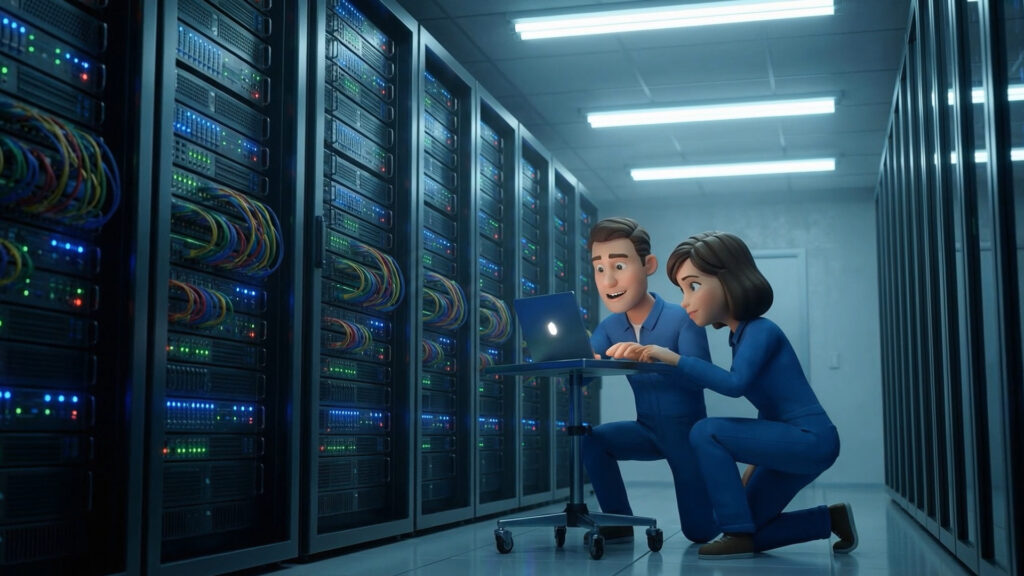
Environment & Atmosphere: Flat vs Volumetric Worlds
A 2D background can be a stylized backdrop, while a 3D environment offers interactive lighting, shadows, and camera angles that add depth to the viewer’s experience. For storytelling where immersion is key, such as virtual tours or game trailers, 3D shines.
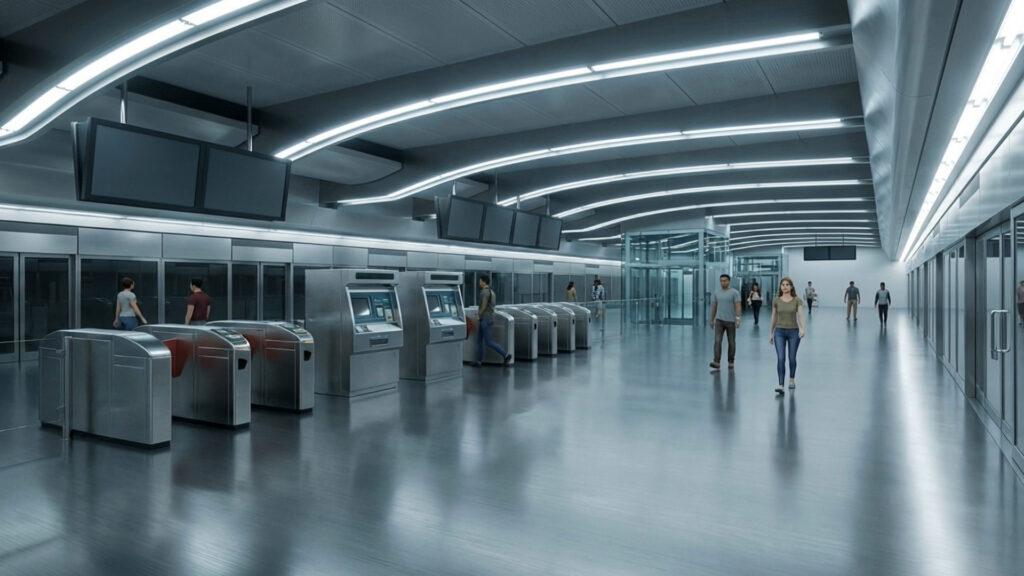
Discover how we crafted an effective 2-D explainer in our animation for McDonalds.
Cost & Time Considerations: A Practical Decision Matrix
When budgeting, ask yourself:
- What’s the timeline? 2D can deliver in weeks; 3D may take months.
- How complex is the asset? Simple characters are cheaper to animate in 2D.
- Do you need photorealism? Only 3D offers that level of detail.
Conclusion: Aligning Animation Strategy with Business Goals
Choosing between 2D and 3D is not a binary decision but an alignment exercise. Consider your brand voice, audience expectations, production resources, and desired impact. Often the most effective strategy blends both, using 2D to introduce concepts quickly and 3D to deepen engagement.
Summary
The distinction between 2D and 3D animation lies in visual depth, production speed, and cost. While 2D offers agility and stylistic freedom, 3D delivers realism and immersive storytelling. By evaluating your objectives against these strengths, you can craft a motion strategy that resonates with viewers and achieves measurable results.
CRITICA is a motion graphics animation studio based in Singapore that serves a broad spectrum of sectors, including finance, healthcare, medical science & pharma, technology, hospitality, tourism, oil & gas, and renewables. Contact us at info@criticatv.com to discuss a project you have in mind.
CRITICA is a Motion Design & Animation Studio based in Singapore that serves a broad spectrum of sectors, including Finance, Healthcare, Medical Science & Pharma, Technology, Hospitality, Tourism, Oil & Gas, and Renewables. Contact us to discuss a project you have in mind.

FAQ
What is the main difference between 2D and 3D animation?
2D animation is flat: characters and elements live on a plane. 3D animation builds objects with depth and lighting that can be viewed from any angle. The choice changes production cost, timeline, and visual feel.
When should I choose 2D animation?
Choose 2D for explainers, journey stories, brand voice work, fast turnarounds, and content you expect to update often. It is faster to iterate and easier to localise.
When should I choose 3D animation?
Choose 3D when the story depends on physical structure: product detail, machinery, anatomy, architecture, environments. 3D also wins when you need photoreal output.
Is 3D more expensive than 2D?
Usually yes, in both time and budget. 3D requires modeling, texturing, lighting, and rendering on top of animation. Simple stylised 3D can be cheaper than complex 2D, but the median 3D piece costs more.
Can one project mix 2D and 3D?
Yes. Many brand films use 3D for product hero shots and 2D for narrative or data segments. The mix often delivers more impact per minute than a pure approach.