A hospital explainer video is a short 60 to 90 second animated or live-action clip that breaks down medical procedures, technology, and patient journeys into clear, reassuring visuals. Hospitals use them to reduce patient anxiety, train staff faster, and build trust with families. This post covers how they work, the benefits they deliver, and how to choose the right production style for your institution.
1. What is a Hospital Explainer Video?
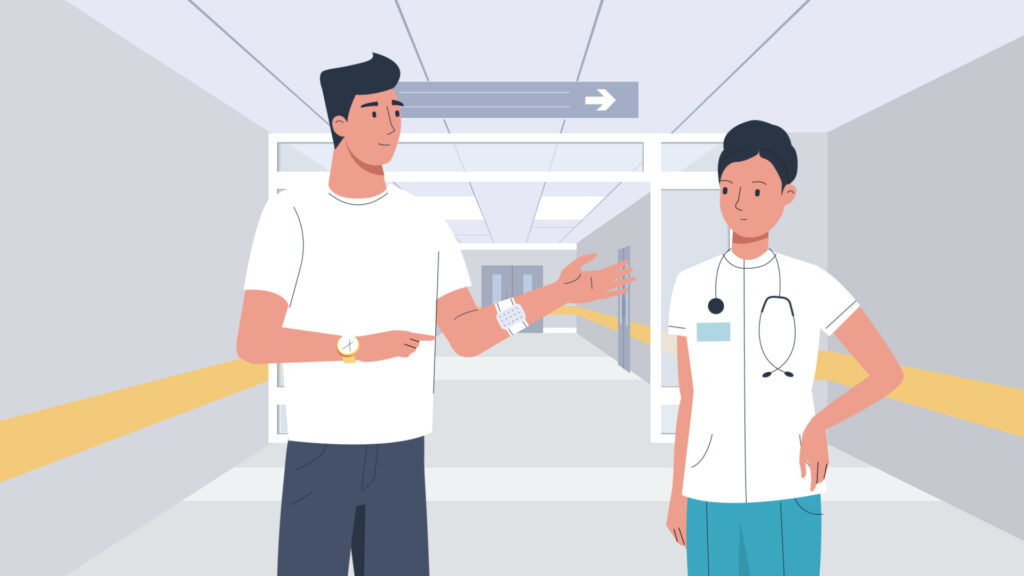
A hospital explainer video is a short (60-90 seconds) animated or live-action clip that breaks down medical concepts into digestible visuals. Whether it explains how an MRI machine works, walks patients through pre-operative steps, or introduces a new telehealth platform, the goal is to make information clear, memorable, and reassuring.

Why Animation? The Power of Visual Storytelling
Animation eliminates jargon and allows complex procedures to be illustrated in a step-by-step narrative. By using colorful characters, simplified diagrams, and motion graphics, viewers can follow the storyline without feeling overwhelmed. Moreover, animated videos can be updated quickly as protocols change, keeping your content current without costly reshoots.
2. Key Benefits for Hospitals
Hospital explainer videos deliver tangible advantages across several dimensions:
- Enhanced Patient Education: Clear visuals reduce anxiety and improve adherence to treatment plans. We built a Singapore-specific version of this for HealthierSG HealthHub App.
- Operational Efficiency: Staff can use videos as training tools, cutting onboarding time.
- Brand Trust: Transparent communication builds credibility with patients and the community.
This streamlined approach not only saves resources but also creates a patient-centric experience that aligns with modern expectations of healthcare transparency.
Case Studies That Speak Volumes
View case studies from our work at our Projects page to see how other hospitals have leveraged explainer videos to improve patient outcomes and streamline internal processes.
3. Choosing the Right Production Style
Hospitals can opt for 2-D animation, 3-D visualizations, or hybrid live-action with motion graphics. Each style serves different objectives:
- 2-D Animation: Ideal for step-by-step procedural guides; easy to produce and highly adaptable. See how we use this approach in our 2D illustration explainers.
- 3-D Visualizations: Best for showcasing complex equipment like MRI or CT scanners, offering a realistic look that helps patients visualize the technology. Our medical and industrial animation work shows this in action. See examples on our 3D animation portfolio.
- Live-Action with Motion Graphics: Combines authenticity with illustrative overlays, great for human stories such as patient testimonials. For a pharma example of the same blend, read our piece on 3D explainers for pharmaceutical communication.
If you’re planning a medical animation, check out our 3D work.
From Concept to Delivery: The Production Pipeline
The process begins with a discovery workshop where we map objectives, identify target audiences, and outline key messages. Scriptwriters then translate medical jargon into relatable narratives, followed by storyboarding, voice-over recording, animation or filming, and post-production editing. Finally, the video is optimized for multiple platforms, hospital websites, patient portals, and social media. This end-to-end process mirrors what we outline in our guide to 2D illustration explainer videos in Singapore.
4. Measuring Impact: Analytics & Feedback
After launch, data drives refinement. Metrics such as view duration, click-through rates, and patient satisfaction scores reveal how well the video resonates. Surveys can capture qualitative feedback, did patients feel more confident about their procedure after watching?
5. Real-World Examples of Success
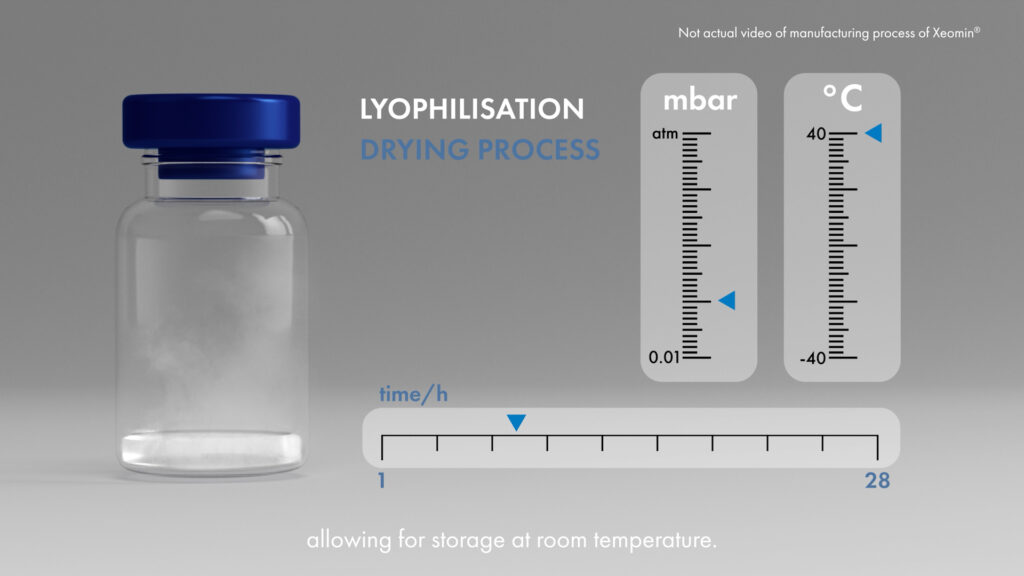
Want to see how we translate hotel operations into visual narratives? View our Hilton 2D explainer. For a clinical parallel, our Merz Xeomin piece shows how we visualize a medical product safely and clearly. The same principles travel cleanly into hospital content.
Summary
Hospital explainer videos are more than just marketing tools, they are strategic assets that clarify complex medical information, improve patient engagement, and streamline internal training. By partnering with a studio experienced in healthcare storytelling, institutions can create content that is both scientifically accurate and emotionally resonant.
In an era where patients demand transparency and clarity, a well-crafted explainer video positions your hospital as a leader in compassionate care and innovative communication.
CRITICA partners with brands, ad agencies, SMEs, government, schools, TV networks, and event companies to develop creative solutions in motion graphics and visual communications. Based in Singapore, working across Finance, Healthcare, Technology, Hospitality, Tourism, Oil & Gas, and Renewables. Get in touch and let’s figure out what makes sense for your business.

FAQ
What is a hospital explainer video?
A hospital explainer video is a short 60 to 90 second animated or live-action clip that breaks down medical procedures, technology, or patient journeys into clear, reassuring visuals. Hospitals use them to calm patients, speed up staff training, and build public trust.
How long should a hospital explainer video be?
Most hospital explainer videos run 60 to 90 seconds. Short enough to hold attention in a waiting room or social feed, long enough to cover one procedure or technology end to end. For training content, 2 to 3 minute edits work better.
Should a hospital explainer be 2D, 3D, or live-action?
Use 2D animation for step-by-step procedural guides, 3D visualization for complex equipment like MRI or CT scanners, and live-action with motion graphics for patient testimonials or staff features. Many hospitals run a mix across the content library.
How are hospital explainer videos used?
Hospitals run them on websites, patient portals, pre-admission emails, waiting room screens, and social channels. They also use them for staff onboarding, procedure refreshers, and internal change communication.
How do you measure if a hospital explainer video is working?
Track view duration, completion rate, click-through on any call to action, and patient or staff feedback via short surveys. For training content, measure time to competency and reduction in repeat questions.