Motion graphics are the silent storytellers of today’s digital landscape, turning static ideas into dynamic experiences that capture attention and convey meaning at lightning speed. In an era where visual content dominates marketing, brand communication, and user experience, mastering the elements that elevate a motion piece from good to great is essential for any creative professional or business looking to stand out.
1. The Core Elements That Define Quality Motion Graphics
A compelling motion graphic blends storytelling, design integrity, and technical precision. While each project has its unique brief, the following pillars are universally present in standout work:
- Clear Narrative Structure – Even a two‑minute animation must have a beginning, middle, and end that guide the viewer’s eye.
- Visual Cohesion – Consistent color palettes, typography, and motion rules ensure the piece feels intentional rather than chaotic.
- Strategic Motion Language – The choice of easing, timing, and kinetic hierarchy directs focus and reinforces brand personality.
- Technical Execution – Proper frame rates, resolution, and file formats guarantee smooth playback across platforms.
- Audience Resonance – Tailoring tone and complexity to the target demographic maximizes engagement.
2. Crafting a Narrative That Moves
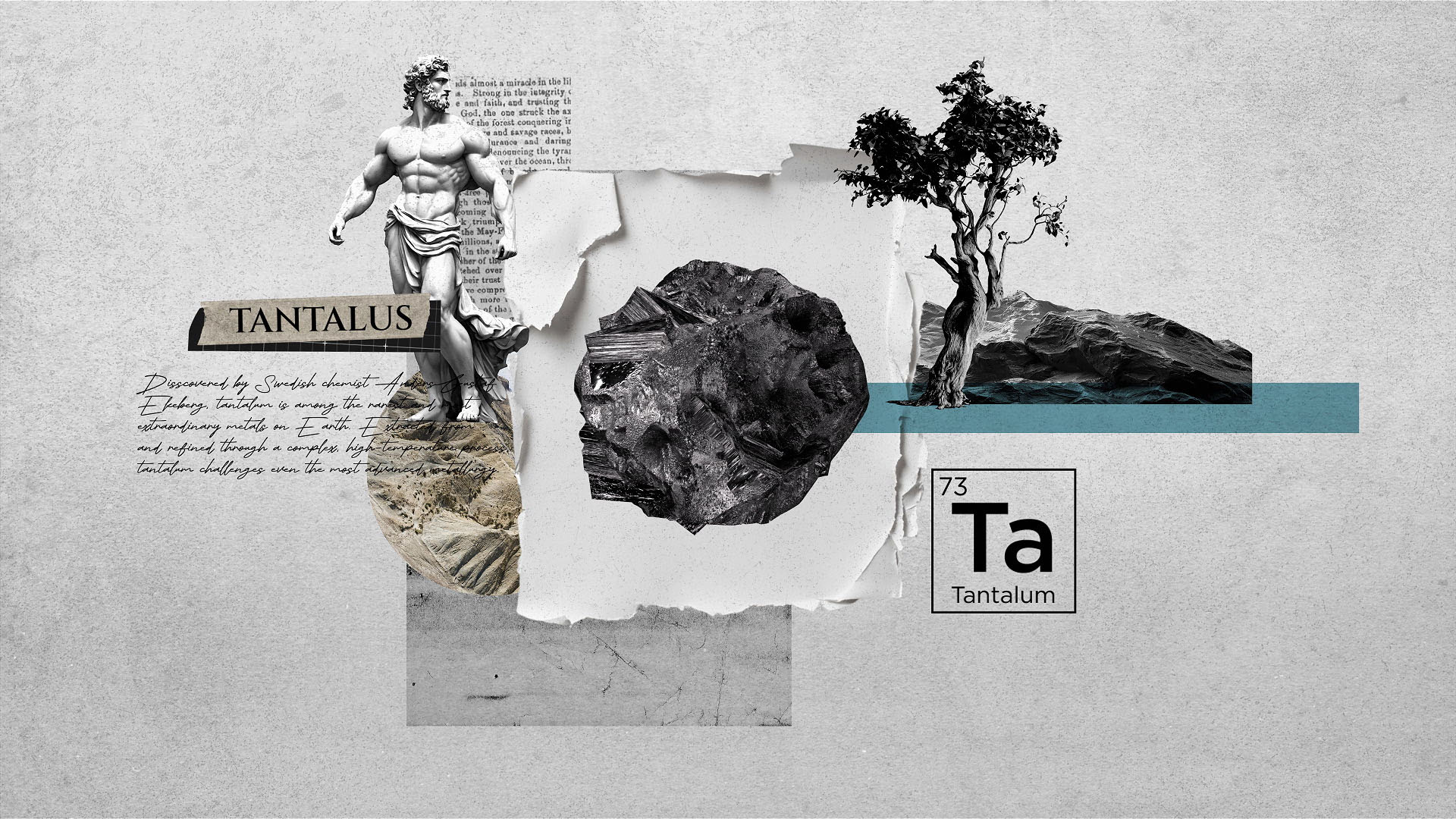
The heart of any motion graphic is its story. Whether you’re explaining a product feature, celebrating a brand milestone, or simplifying complex data, the narrative must be concise yet compelling.
Start by defining the primary message and the emotional hook. Then, translate that into visual beats: key scenes, transitions, and calls to action. A well‑structured storyboard not only keeps the creative team aligned but also serves as a roadmap for animators.
View case studies from our work at our Projects page to see how narrative clarity can transform an ordinary concept into a memorable visual journey.
Storyboarding Best Practices
- Use thumbnail sketches for quick iteration.
- Label each frame with notes on motion and timing.
- Include a shot list that maps storyboard frames to final assets.
3. Design Language That Speaks Volumes
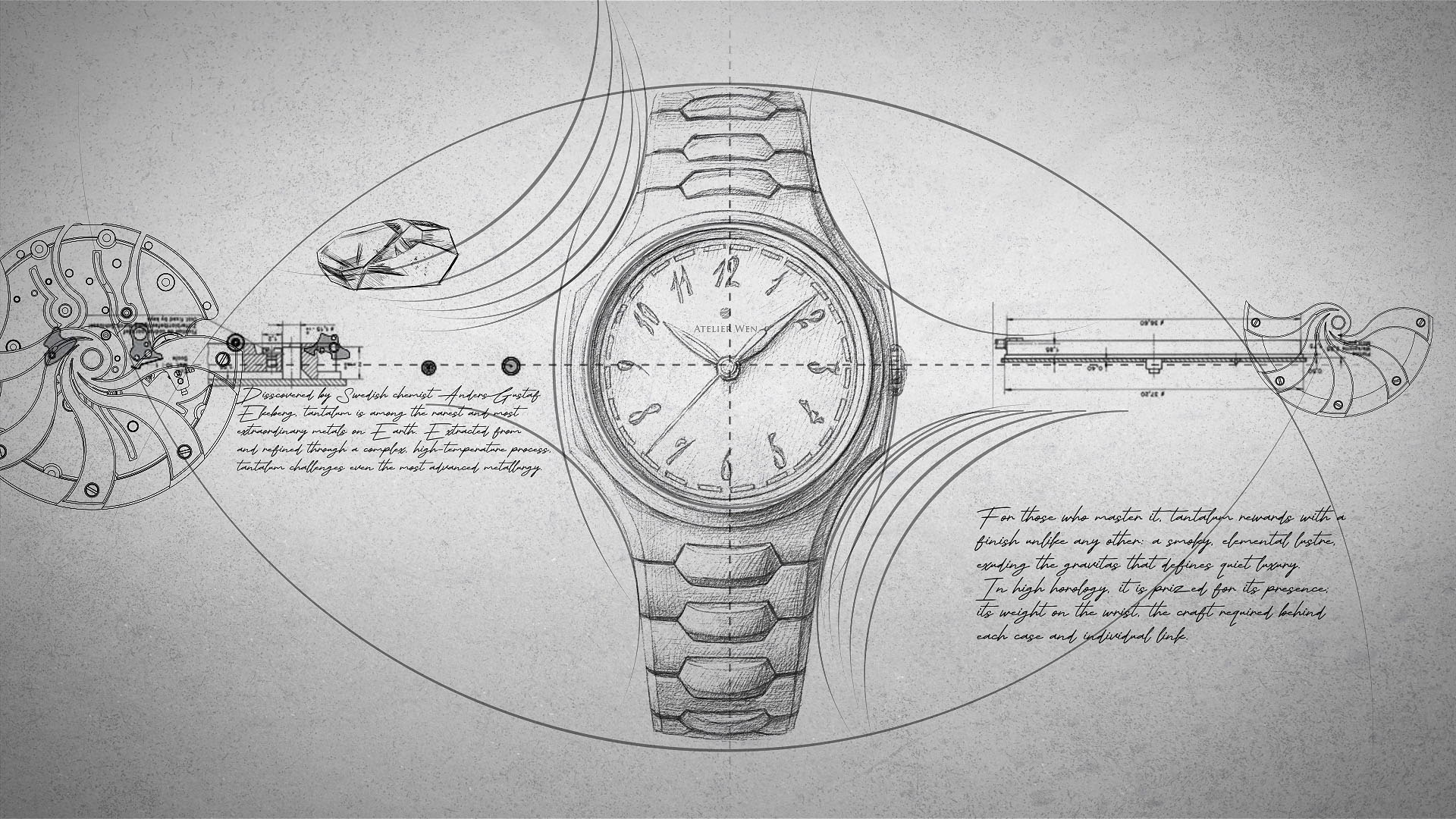
Design in motion graphics is more than aesthetic; it’s the language through which your brand speaks. Consistency across colors, shapes, and typography builds recognition and trust.
When selecting a color palette, consider brand guidelines and psychological impact. Typography should be legible at motion speed—bold weights and clear letterforms perform best when animated.
If you’re planning a new motion animation, check out our animation for a watch brand to see how meticulous design choices elevate visual storytelling.
Motion Techniques That Enhance Design
- Layered Motion: Parallax effects add depth without clutter.
- Dynamic Typography: Animate type to reinforce key messages.
- Iconography Animation: Use simple icons that move fluidly with the narrative.
4. Technical Mastery: From Rough Cut to Final Render
Even the most brilliant story can falter if the technical execution is off. Ensuring your animation runs smoothly on all devices requires attention to frame rates, resolution, and compression.
A standard practice is to render at 1080p or higher and maintain a consistent frame rate—typically 24 or 30 fps for web content—to avoid jittery motion. Additionally, using vector-based assets allows scaling without loss of quality, essential for responsive design.
Want to see how we translate app features into visual narratives? Visit our 2D Explainer for Hilton Hotels.
Exporting and Distribution Tips
- Select the appropriate codec (H.264 for web, ProRes for editing).
- Use adaptive bitrate streaming for mobile audiences.
- Test playback on multiple browsers and devices before release.

5. Real‑World Impact: Case Studies That Illustrate Excellence
Seeing theory applied is the best way to understand motion graphics’ power. Below are examples that showcase how we turn concepts into compelling visuals across industries.
- Discover how we crafted an effective 2‑D explainer in our animation for McDonalds.
- Need a quick example of how we use collage animation to explain historical stories? Browse our collage-style stopmotion inspired animation for Ministry of Home Affairs.
Summary
A great motion graphic is a harmonious blend of narrative clarity, cohesive design, and technical excellence. By focusing on these pillars, creators can produce work that not only looks polished but also delivers meaning efficiently across any platform.
Whether you’re an agency, a brand, or an individual looking to elevate your visual communication, understanding these fundamentals will empower you to craft motion graphics that resonate, inform, and inspire.
CRITICA is a motion graphics animation studio based in Singapore that serves a broad spectrum of sectors, including finance, healthcare, medical science & pharma, technology, hospitality, tourism, oil & gas, and renewables. Contact us at info@criticatv.com to discuss a project you have in mind.