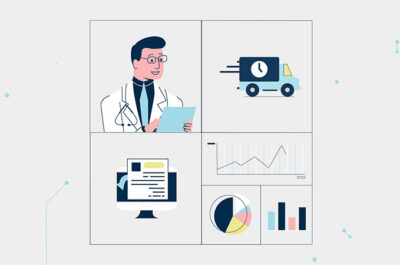
The power of motion graphics is the way design, motion, and sound combine to land a message faster than text or static images can. In 2026, brands use motion graphics for explainers, ads, product launches, and brand films across every platform. This post covers why motion works, where to use it, and what makes a piece stick. For format-specific reading, see our 2D vs 3D animation and motion graphics trends guides.
Why Motion Graphics Matter in Today’s Media Landscape
The digital ecosystem is saturated with static images and long text blocks that fail to capture curiosity. Motion graphics, by contrast, blend animation, typography, and sound to create a multi-sensory experience. They allow brands to:
- Present data in an engaging, digestible format.
- Showcase product features through interactive demos.
- Build emotional connections with audiences via storytelling.
This section highlights the core benefits that set motion graphics apart from traditional media. They are not just eye candy; they are strategic assets that can elevate marketing campaigns, internal training modules, and educational content alike.

Case Studies That Demonstrate Real-World Impact
When it comes to measuring success, tangible results speak louder than promises. View case studies from our work at our Projects page. Each project showcases how a tailored motion graphics solution addressed specific business challenges:
- Finance: Simplified complex financial instruments for investor presentations.
- Healthcare: Visualized patient journeys to improve clinic communication.
- Technology: Demonstrated product workflows in a 30-second explainer.
The diversity of our portfolio underscores that motion graphics are versatile enough to serve any industry. They translate abstract concepts into concrete, relatable stories.
Creating Motion Graphics That Convert: From Concept to Execution
A successful animation starts with a clear brief and ends with measurable KPIs. If you’re planning a new motion animation, check out our animation for a watch brand. This example illustrates the entire workflow:
- Research & Ideation: Understanding brand voice and audience needs.
- Scripting & Storyboarding: Laying out narrative beats before any frame is drawn.
- Design & Animation: Combining vector art, motion paths, and sound design.
- Testing & Optimization: Iterating based on viewer engagement metrics.
By aligning each phase with business objectives, we ensure that every second of animation delivers value. Whether you’re launching a new product or educating staff, the same disciplined approach applies.

Translating Complex Features into Visual Narratives
Technical products often suffer from dense documentation that deters users. Want to see how we translate app features into visual narratives? Visit our 2D Explainer for Hilton Hotels. This project turned a suite of booking functionalities into an intuitive, step-by-step animation that users could follow without reading a manual.
Similarly, we crafted an effective 2-D explainer in our animation for McDonalds. By using familiar visual metaphors and clear call-to-actions, resulting in increased downloads for the App during launch.
These examples demonstrate that motion graphics can bridge the gap between complex technology and everyday usability. They are not merely decorative; they are functional storytelling tools.
Summary
Motion graphics have evolved from a creative gimmick into a strategic cornerstone for brands seeking to stand out in crowded markets. By combining motion, typography, and sound, these animations transform abstract ideas into memorable experiences that drive engagement and conversion. Whether you’re aiming to simplify data, showcase products, or educate audiences, the right motion graphic strategy can deliver measurable ROI.
CRITICA is a motion graphics animation studio based in Singapore that serves a broad spectrum of sectors, including finance, healthcare, medical science & pharma, technology, hospitality, tourism, oil & gas, and renewables. Contact us at info@criticatv.com to discuss a project you have in mind.
Attention is the hardest thing to earn. CRITICA helps brands earn it through motion graphics, video, and experience design that people actually stop to watch. Singapore-based, working across Finance, Healthcare, Technology, Hospitality, Tourism, Oil & Gas, and Renewables. Get in touch and let’s figure out what makes sense for your business.

FAQ
What makes motion graphics powerful?
Motion graphics combine design, motion, sound, and timing to deliver a message faster than text or static visuals can. They turn data into a story and abstract ideas into something a viewer can follow in seconds.
Where do brands use motion graphics most?
Explainers, ads, social cuts, product launches, brand films, and on-site hero videos. Most B2B brands also use them inside sales decks and investor presentations.
How long should a motion graphic piece be?
Social cuts: 15 to 30 seconds. Web hero films: 60 to 90 seconds. Explainers: 60 to 120 seconds. Internal training: longer. Match length to the surface where it will play.
What does a motion graphics project involve?
Brief, script, storyboard, design, animation, sound, and final delivery. Most pieces run 4 to 8 weeks end to end depending on revision rounds and platform cuts.
Can motion graphics scale across platforms?
Yes. One master piece is usually re-cut into vertical 9:16 for TikTok and Reels, square 1:1 for feed, and horizontal 16:9 for site and YouTube. Build the master with re-cutting in mind.