Why Medical 3D Animation Matters Today
A medical 3D animation is a short animated piece that turns complex anatomy, drug mechanisms, or surgical procedures into clear, accurate visuals. Hospitals, pharma teams, and medtech companies use them to train staff, educate patients, and brief investors. This post covers why medical 3D works where static diagrams fail, how production unfolds, and where to use the finished piece. Related reading: pharma 3D explainers, hospital explainer videos, and pharmacology 3D animation for drug discovery.
By leveraging high-fidelity rendering, precise anatomical modeling, and motion capture technology, these animations can demonstrate everything from drug mechanisms of action to surgical procedures in a way that text alone cannot match. The result is clearer communication, faster learning curves, and ultimately better patient outcomes.
Core Benefits for Healthcare Stakeholders
Medical 3D animation offers a suite of advantages that set it apart from conventional educational tools:
- Enhanced Retention: Visual learners absorb and remember information up to three times faster when presented in motion.
- Regulatory Compliance: Animations can be meticulously annotated with dosage, side-effect profiles, and evidence citations, streamlining approval processes.
- Global Reach: Multilingual subtitles and universal visual cues make complex data accessible across borders.
- Sector breadth: See our medical and industrial animation work for adjacent use cases.
These benefits translate into tangible gains: higher engagement rates in clinical trials, improved patient adherence, and stronger investor confidence during product launches.
Crafting the Narrative: From Script to Screen
The production pipeline for medical 3D animation is both an art and a science. It begins with a collaborative scriptwriting phase, where subject matter experts distill the core message into clear, concise language. Once approved, the visual team builds detailed anatomical models using CAD data and proprietary software such as Autodesk Maya or Blender.
Next comes the animation stage, where rigging engineers add realistic joint constraints to ensure movements mimic true human physiology. Rigging is followed by lighting and rendering, where color grading and depth of field enhance visual clarity without compromising scientific accuracy.
After post-production, the final product undergoes rigorous peer review to confirm that every frame aligns with current clinical guidelines. This meticulous process guarantees that the animation not only captivates but also educates responsibly.
Case Studies and Real-World Impact
See an aesthetic medical example on our Ultherapy page. We also built a Singapore-specific health app piece for HealthierSG HealthHub.

If you’re planning a medical animation, check out our 3D work. Each project showcases our commitment to blending scientific rigor with cinematic storytelling.
Want to see how we translate app features into visual narratives? Visit our 2D Explainer for Hilton Hotels. While not medical, the same principles of clarity and engagement apply across industries.

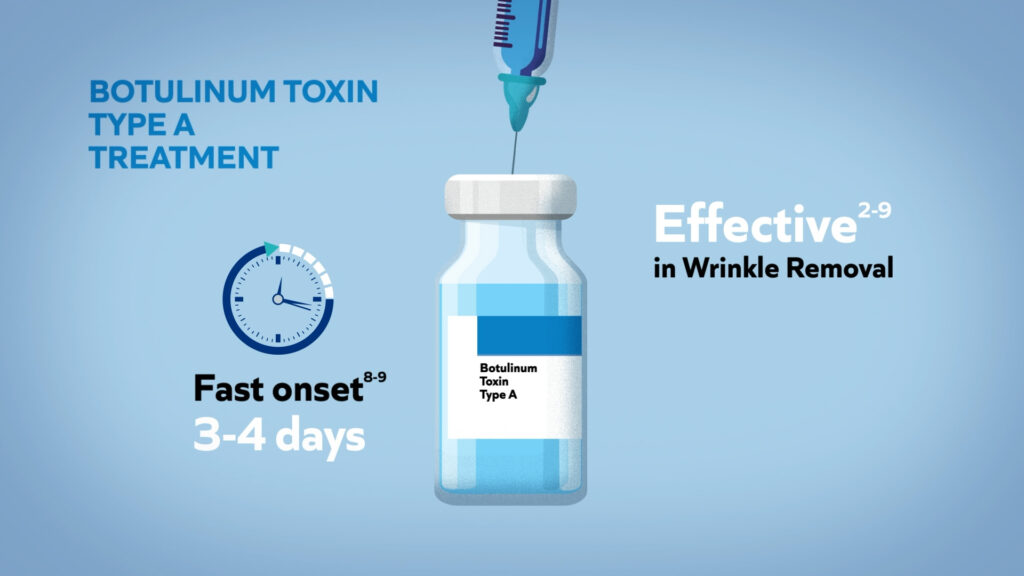
Discover how we crafted an effective 2-D explainer in our animation for Merz Aesthetics. This project demonstrates the versatility of our storytelling approach, whether in 3D or 2D formats.
Conclusion
The future of medical communication hinges on the ability to distill complexity into compelling visual narratives. Medical 3D animation is not merely a marketing tool; it is an educational bridge that empowers clinicians, informs patients, and accelerates product development cycles. By choosing a partner who prioritizes accuracy, creativity, and strategic storytelling, you can unlock new levels of engagement across the healthcare spectrum.
CRITICA partners with brands, ad agencies, SMEs, government, schools, TV networks, and event companies to develop creative solutions in motion graphics and visual communications. Based in Singapore, working across Finance, Healthcare, Technology, Hospitality, Tourism, Oil & Gas, and Renewables. Get in touch and let’s figure out what makes sense for your business.

FAQ
What is medical 3D animation?
Medical 3D animation is a short animated piece that uses 3D models and motion to explain anatomy, surgery, drug mechanisms, or medical devices. It makes complex biology understandable for audiences from clinicians to patients.
Who uses medical 3D animation?
Hospitals use it for patient education and staff training. Pharma uses it for HCP communication and regulatory submissions. Medtech companies use it to show device function. Insurance and compliance teams use it to explain procedures.
How long does a medical 3D animation take to produce?
A standard 60 to 90 second piece runs through research and scripting, storyboard, 3D modeling, animation, voice-over, and post. Scientific review cycles and the complexity of anatomy or device drive the schedule.
What about regulatory and compliance review?
Every medical 3D animation goes through peer review before release to confirm each frame aligns with current clinical guidelines. For pharma and medtech, legal or medical affairs often run a separate compliance pass.
Can one medical 3D animation work for both clinicians and patients?
Rarely. Build one master shoot or master 3D build, then cut two edits: a detailed clinician version with full scientific language, and a simpler patient version with plain words and visual focus on reassurance.